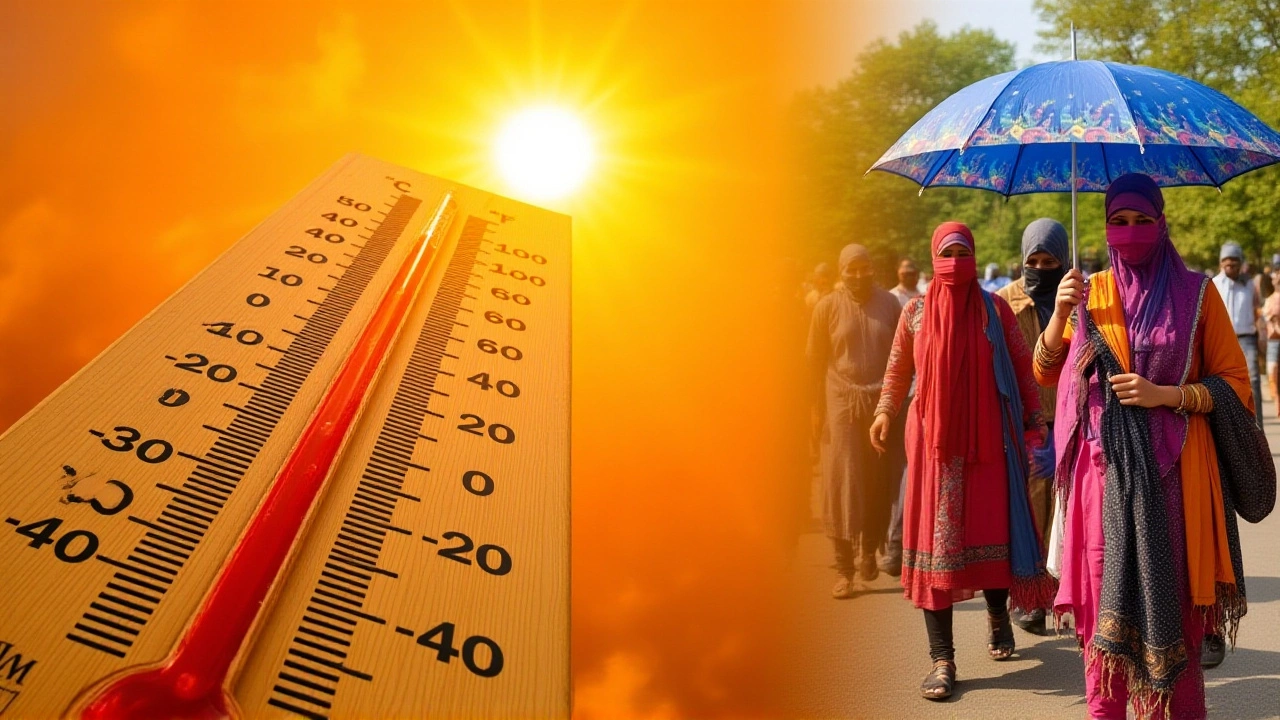
It’s not just hot; it’s dangerous. India Meteorological Department (IMD) has issued severe "Orange" and "Red" alerts for much of northern India as temperatures soar past safety limits. The situation is particularly critical in Uttar Pradesh, where districts like Banda have recorded staggering highs of 47.6°C, making it the hottest place in the country for five consecutive days.
The heat isn't sparing the capital either. New Delhi and its National Capital Region (NCR) are bracing for a brutal stretch of dry heat, with forecasts predicting daytime highs between 45°C and 46°C. Meanwhile, residents in Rajasthan, Punjab, and Odisha are facing similar extremes, creating a widespread public health crisis across the region.
Uttar Pradesh Boils Under Extreme Heat
If you’re in Uttar Pradesh right now, you know the drill. The air feels thick, heavy, and unforgiving. But the numbers tell a darker story than what you feel on your skin. According to recent reports, twelve major districts including Prayagraj, Badaun, Rampur, Fatehpur, Sambhal, Etah, Bijnor, Amroha, Mirzapur, Aligarh, Ballia, Bareilly, and Varanasi have seen temperatures hit 46°C.
Here’s the thing that’s really concerning experts: this isn’t a one-day spike. It’s sustained. In Banda district, the mercury climbed to 47.6°C, holding the grim title of India’s hottest city for five days straight. Some global rankings even suggest that 40 of the world’s 100 hottest cities are currently located within Uttar Pradesh alone. That’s a statistic that should stop you in your tracks.
Lucknow and Raebareli aren’t far behind, hovering around 43°C, while Jhansi sees readings between 44°C and 45°C. The IMD warns that 11 districts in UP could see an additional rise of 3°C to 5°C in the coming days. Do the math: we’re looking at potential peaks of 49°C to 51°C. That’s not just uncomfortable; it’s lethal without proper precautions.
New Delhi Faces Severe Heatwave Conditions
Down south in the capital, the situation is equally dire. For several days, New Delhi has been baking above 42°C. The IMD has flagged the next few days as having "severe heatwave conditions." What makes this particularly nasty is the lack of relief at night. Minimum temperatures are staying unusually high, preventing the city from cooling down.
In fact, Delhi recently recorded its hottest May night in 14 years. Imagine trying to sleep when the air outside is still sweltering at 27°C to 31°C overnight. The forecast for May 24 to May 26 calls for clear skies, maximum temperatures of 43°C–45°C, and gusty hot winds blowing at 20–30 km/h, occasionally spiking to 40 km/h.
The NCR belt—including Noida, Gurugram, Ghaziabad, and Faridabad—is under an "On Alert" status. Streets are emptying out by midday as people seek refuge indoors. Water distribution points have been set up across the city to help combat dehydration, but the sheer intensity of the dry heat is testing everyone’s resilience.
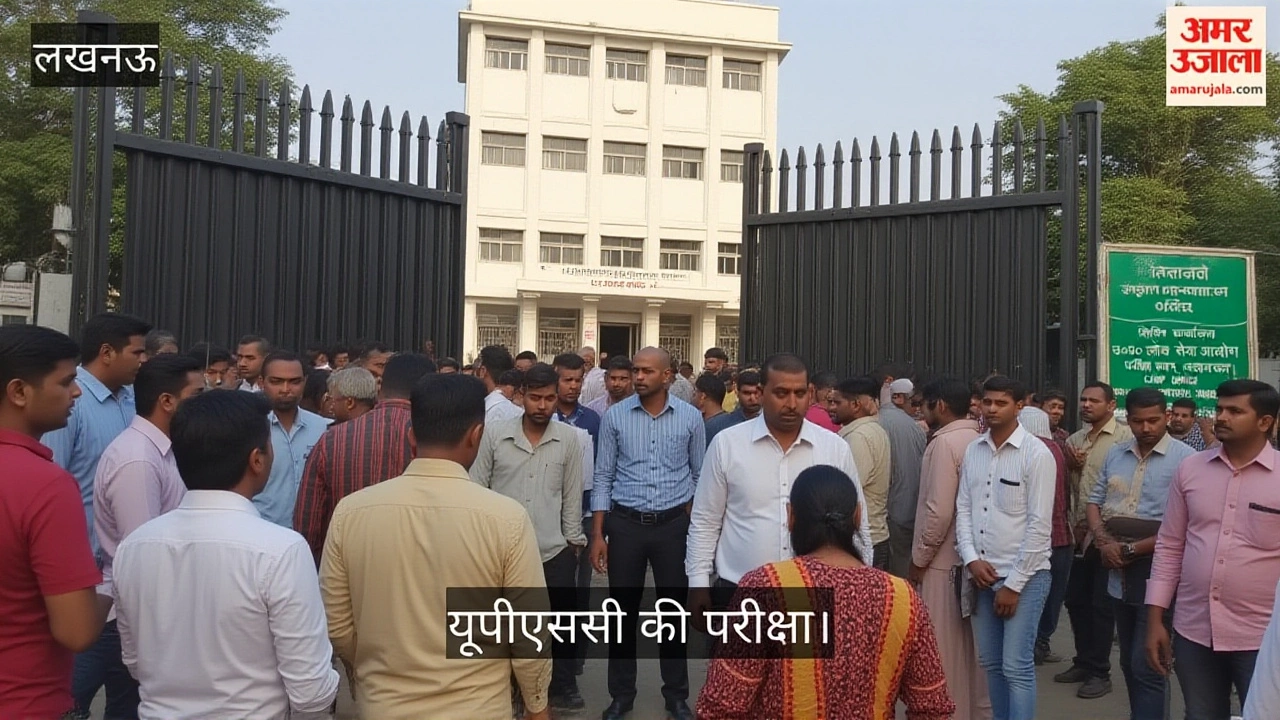
Regional Spread: From Punjab to Odisha
This heat dome isn’t confined to UP or Delhi. It’s stretching across the subcontinent.
- Punjab: Faridkot recorded a blistering 47.3°C on Tuesday. Bathinda Airport saw 45.9°C, while Patiala hit 45.3°C. Even Chandigarh and Amritsar weren’t spared, crossing 43°C.
- Rajasthan: Nine cities reported temperatures between 45°C and 47°C in the last 24 hours. The Jaipur Meteorological Centre predicts another 2°C–3°C rise, with severe heatwaves expected to persist for a week.
- Odisha: The heatwave is expected to continue until May 28. Jharsuguda hit 45.2°C, while Sambalpur, Hirakud, Titlagarh, and Boudh all touched 45°C. An orange alert remains active for Bolangir, which also faces warm nights.
Interestingly, there’s a glimmer of hope for some areas. West Bengal, Bihar, Jharkhand, and the Himalayan states of Jammu & Kashmir, Uttarakhand, and Himachal Pradesh are expecting thunderstorms and rain. This precipitation might offer temporary relief from the scorching sun, though the storms themselves bring risks of dust and lightning.
Health Advisories and Safety Measures
So, what should you do? Health experts are blunt: stay inside if you don’t have to go out. Dehydration sets in faster than you think during these loo (hot wind) episodes. Fainting spells are becoming common, especially among outdoor workers and the elderly.
The Ministry of Ayush has issued a specific advisory recommending traditional cooling remedies. They suggest consuming lemon water, chaach (buttermilk), coconut water, watermelon, and cucumber. These aren’t just old wives’ tales; they help regulate body temperature and replenish electrolytes lost through sweat.
But wait—there’s more. The IMD notes that strong hot winds can cause rapid heat exhaustion. If you must travel, avoid the peak hours between 11 AM and 4 PM. Wear light-colored, loose-fitting cotton clothes. And keep an eye on vulnerable populations in your community. This isn’t just weather; it’s a public health emergency.
Frequently Asked Questions
Which areas in Uttar Pradesh are under Red Alert?
While most of Uttar Pradesh is under an Orange Alert, specific districts face imminent Red Alerts due to extreme heat projections. Banda is currently the epicenter, recording 47.6°C. Other high-risk areas include Prayagraj, Badaun, and Varanasi, where temperatures have already hit 46°C and are predicted to rise further. Residents in these zones should exercise extreme caution.
How long will the heatwave last in Delhi?
The IMD forecasts severe heatwave conditions in Delhi and the NCR for the next four to five days. Temperatures are expected to remain between 45°C and 46°C during the day, with minimal nighttime cooling. Clear skies are predicted from May 24 to May 26, meaning no immediate relief from rain is expected in the capital region.
What are the symptoms of heatstroke during this wave?
Common signs include dizziness, nausea, excessive sweating followed by dry skin, confusion, and fainting. The Ministry of Ayush advises drinking plenty of fluids like coconut water and buttermilk. If someone loses consciousness, move them to a cool area immediately and seek medical help. Do not ignore early signs of dehydration.
Will there be any rainfall to cool things down?
Rainfall is unlikely in UP, Delhi, Rajasthan, and Odisha in the immediate future. However, parts of Bihar, Jharkhand, West Bengal, and the Himalayan regions may experience thunderstorms and rain, which could provide temporary relief. For the core heatwave zones, the dry heat is expected to persist for at least another week.
Why is Banda so much hotter than other cities?
Banda’s location in central Uttar Pradesh, combined with local topography and lack of significant water bodies, contributes to its extreme heat retention. It has become a hotspot for heatwaves, consistently ranking as one of India’s hottest cities. Recent data shows it hitting 47.6°C, significantly higher than nearby urban centers like Lucknow or Kanpur.